


Hula hoop fitness: how to train effectively
Hula Hoop fitness combines coordinated movement, endurance and controlled core work. What matters is a suitable hoop, sound technique and a training structure that matches your current fitness level.
In short
Start with a few controlled minutes, practice both directions of rotation and first increase the duration and then the speed. Hula Hoop can be a versatile component of your fitness training - but it does not replace a complete strength, flexibility and endurance program.
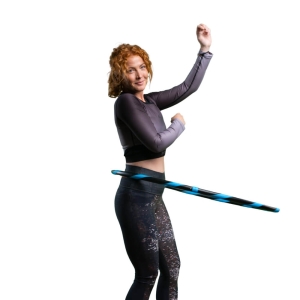
Hula Hoop does not reduce fat specifically from the stomach, hips or thighs. Calorie expenditure and training response depend, among other things, on intensity, duration, technique and individual circumstances.
1. What is Hula Hoop fitness?
In fitness hooping, the hoop remains mostly on the body and is controlled using rhythmic counter movements. Depending on the exercise, pace and duration, coordination, endurance and stabilizing work in the core of the body may be required.
| Training area | What Hula Hoop can add | What else remains useful |
|---|---|---|
| Endurance | Continuous movement at an individually tailored intensity. | For example, walking, cycling or other forms of endurance. |
| Coordination | Rhythm, change of direction and hoop control. | Exercises for balance and variety of movements. |
| Muscles | Stabilizing work of the core, legs and glutes – depending on technique and exercise. | Targeted strength training for all large muscle groups. |
| Mobility | Range of motion can be supported through warm-ups and variations. | Separate, controlled mobility exercises. |
| Recovery | Manage the training load through short, controlled sessions and planned breaks. | Sufficient sleep, recovery days and appropriate training-load management. |
How to control the intensity
- Light: You can easily converse in complete sentences.
- Moderate: You are breathing more heavily, but can still speak in short sentences.
- High: Speaking is difficult; beginners should use this intensity only briefly and in a controlled manner.
A sensible fitness session should feel challenging while remaining controllable. Maximum hoop weight and maximum speed are not signs of training quality.
2. How to structure a fitness session
The following structure is a flexible example. Shorten each phase when you are starting out and extend it only while your technique and skin contact remain comfortable.
| Phase | Example | What to pay attention to? |
|---|---|---|
| Warm-up · 2–3 min. | Walk loosely, mobilize your shoulders and hips. | Breathe calmly, check your range of motion. |
| Technique · 3–5 min. | Start, basic hooping and easier direction. | Keep the hoop horizontal and use short counter-movements. |
| Main set · 6–12 min. | Basic hooping, small steps, short changes of direction. | Take breaks as needed; quality comes before speed. |
| Cool-down · 2–4 min. | Reduce speed, walk and move around. | Do not stop abruptly after a high-intensity section. |
Example of a training week
| Day | Focus | Example |
|---|---|---|
| Session A | Technique and control | Short sequences, both directions, lots of pauses. |
| Session B | Steady endurance | Steady hooping at a moderate intensity. |
| Session C | Variations | Add small steps or arm positions. |
| In between | Recovery and other activity | Stay active in everyday life and rest when needed. |
The order is just an example. Adapt training days, breaks and focuses to your everyday life, your recovery and your performance level.
The World Health Organization recommends that adults complete 150–300 minutes of moderate or 75–150 minutes of vigorous aerobic activity per week and strengthen all major muscle groups on at least two days. These recommendations cover total weekly physical activity and do not need to be met through Hula Hoop alone. Hula Hoop can contribute a portion; how much depends on the actual intensity.
3. Recognising progress and increasing the training load
Progress isn't just shown in minutes or speed. More important are control, calmer breathing, fewer interruptions and a stable technique in both directions. Progression can also mean performing the same exercise in a controlled manner with less effort.
| If... | Then... |
|---|---|
| the hoop falls frequently | Check your starting position, stance and rhythm; do not simply make the session faster. |
| the technique remains stable | Extend the duration in small steps or add a simple variation. |
| Contact with the skin becomes uncomfortable | Take a break, reduce the duration and check your hoop choice. |
| one direction is significantly weaker | Practise the other direction in short sequences while you are fresh; do not force it when tired. |
| you only train lightly over the long term | Carefully adjust the pace, steps or interval structure as long as the technique remains safe. |
Don't increase duration, pace, hoop weight and exercise complexity at the same time. Change one parameter and observe how your body and technique react.
What about calories and losing weight?
Training time alone cannot provide a reliable exact calorie figure. Body weight, intensity, technique, range of movement and breaks all affect energy expenditure. Claims such as “500 kcal per hour” are not credible without individual measurement. In the long term, changes in body weight depend on overall energy balance, not on a single exercise or a specific area of the body.
4. Which hoop suits your fitness goal?
The choice starts with the individual, not with the heaviest possible hoop. Height, experience, training goal, movement control and personal sensitivity should all be considered together. A suitable hoop makes controlled training easier, but is no substitute for sound technique.
| Hoop type | Typical use | Important |
|---|---|---|
| Classic Hula Hoop | Technique, longer controlled sessions, variations. | Choose the appropriate diameter, tube thickness, weight and grip. |
| Massage Hula Hoop | On-body fitness hooping with a more noticeable contact with the body. | Consider the massage elements, padding, massage intensity and sensitivity. |
| Dance/Trick Hoop | Lighter, faster movements and off-body techniques. | Not automatically ideal for steady fitness hooping. |
A higher hoop weight guarantees neither better training results nor faster learning. The hoop must remain controllable and fit the body and the training goal.
Train safely
- Before starting, check the hoop connections, floor and training area.
- Keep enough distance from people, animals, furniture and fragile objects.
- Stop immediately if you experience pain, dizziness, numbness or severe discomfort.
- If you have a medical condition, injury, recent surgery, are pregnant or have recently given birth, seek professional advice before starting.
5. Frequently asked questions
Is Hula Hoop a good fitness activity?
Hula Hoop can require coordination, endurance and stabilizing muscle work. How demanding it is depends on intensity, duration, technique and exercise selection. Strength training and other forms of exercise remain useful for a balanced program.
How long should a session last?
Start with a few controlled minutes and breaks. Only extend the time when technique, breathing and skin contact remain comfortable. There is no general ideal duration.
How often can I train each week?
This depends on your level of training, intensity, recovery and discomfort. Several short sessions can be more useful for beginners than occasional very long sessions.
Can I do Hula Hoop every day?
That depends on the training load, recovery and individual circumstances. Many people benefit from regular sessions with sufficient recovery. If you have discomfort, are clearly tired or find that contact with the skin becomes uncomfortable, it is advisable to take a break.
Does Hula Hoop burn belly fat?
Body fat cannot be specifically reduced in a single area. Hula Hoop can contribute exercise and energy expenditure; long-term energy balance is what matters for changes in body weight.
Do I need a heavy hoop?
No. A heavier hoop is not automatically more effective. The ability to control the hoop, suitable dimensions, experience, goals and personal sensitivity are crucial.
Massage Hula Hoop or classic Hula Hoop?
Massage Hula Hoops feel different on the body and need to be chosen with their massage elements, padding and personal sensitivity in mind. Classic hoops may be better suited to technique practice, longer sessions and variations.
Should I train both directions of rotation?
Yes, gradually. Stabilize the easier direction first and add the opposite direction in short sequences before you become tired.
Choose a load that you can repeat in a controlled manner. Technique, recovery and a suitable hoop are more important in the long term than an extreme one-off session.
What's next?
Choose the topic that best fits your next step:
Hula Hoop research and study limitations